Travel route
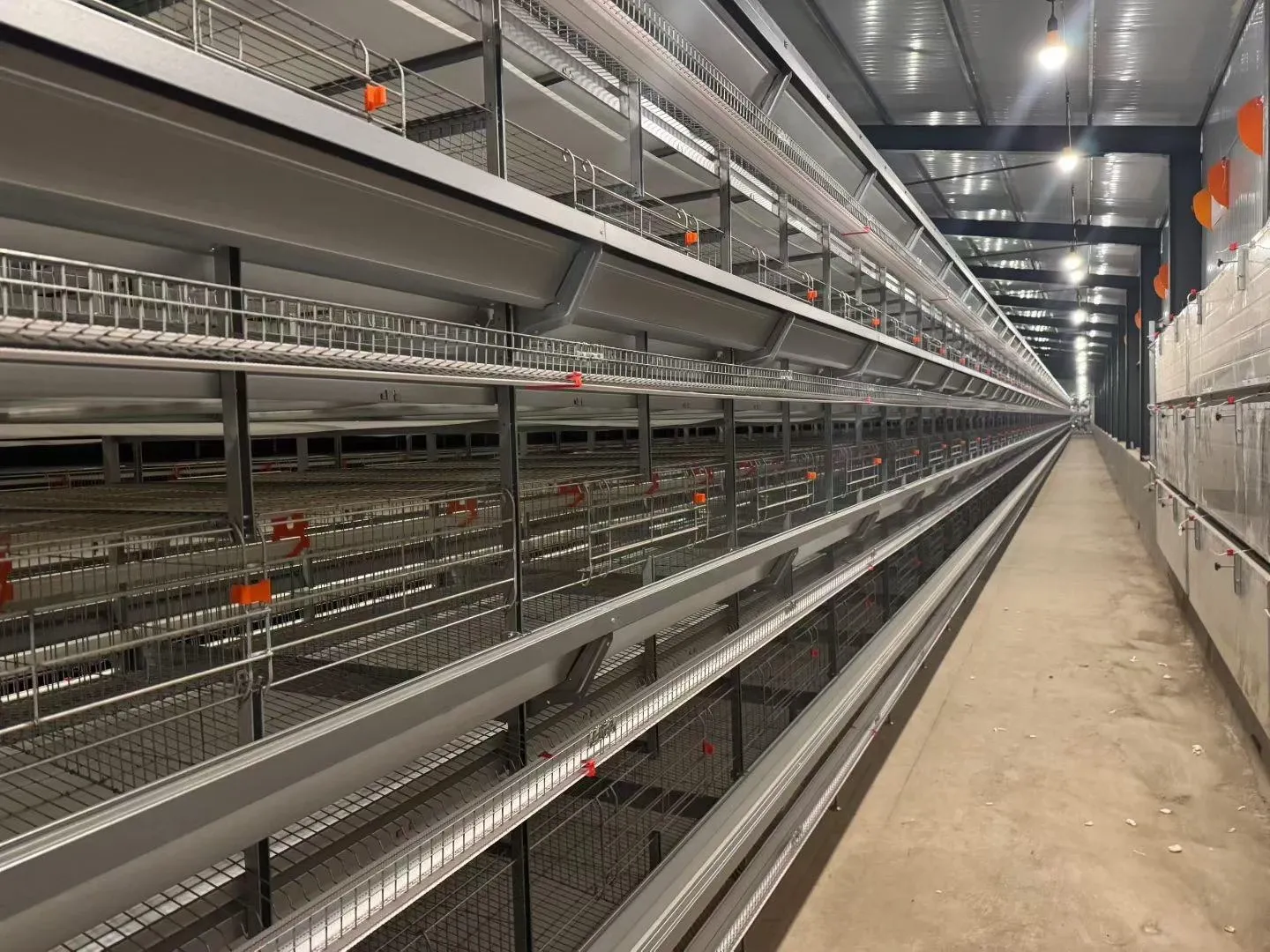
Review aisle width, turning or end-of-row space, obstacles and access around working equipment. The travel method must fit the house.
SHUOHUI EQUIPMENT
Poultry-house inspection
A poultry inspection robot provides a moving observation platform inside the house. Its route, sensing equipment and inspection tasks should be matched to the cage layout and the farm’s working conditions.
Routine inspection involves observing birds, equipment and the house environment. A robotic platform can be discussed as part of that workflow, with defined observation points and a route that can be travelled safely. Aisle dimensions, floor or rail conditions and cage height all influence the proposed arrangement.
Vision-based tasks need to be specified individually. Camera position, lighting, dust, occlusion and available site data affect what a system can observe. Define the exact inspection objective and the operator’s review process before agreeing on detection or automation requirements.
Review aisle width, turning or end-of-row space, obstacles and access around working equipment. The travel method must fit the house.
Select camera or sensor requirements around the inspection task and the positions that need to be observed.
Plan how operators receive and review observations, where the platform is charged or parked, and how it is maintained.
Share the following information so we can discuss the layout and prepare a configuration suited to your project.
Send your project requirements →A diagnosis is not established by a product image or a general inspection system. Any detection task needs its own data, validation and professional review. Discuss the observation requirement rather than assuming a medical capability.
The site needs a compatibility review. Share the travel route, equipment layout and photographs so clearances, visibility and operating conditions can be assessed.
Leave your email or WhatsApp number and tell us about your poultry house.